What HUD Home Store Is
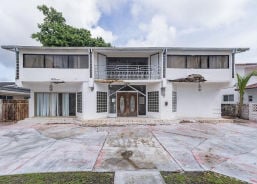
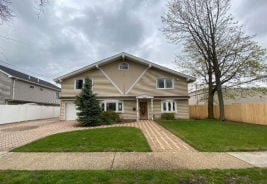
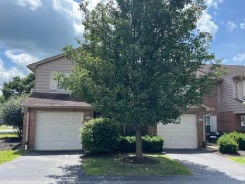
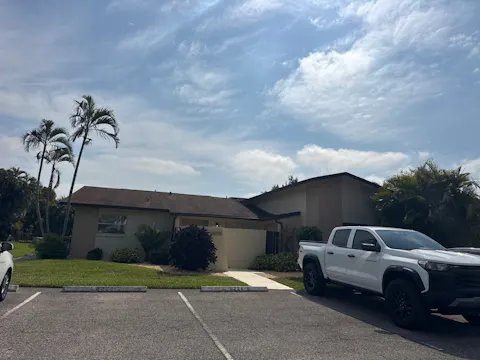
HUD Home Store (hudhomestore.gov) is the federal government's listing site for HUD-owned homes. The pipeline behind it: a homeowner with an FHA-insured mortgage defaults, the lender forecloses and files a claim, FHA pays the claim, and the house becomes HUD's problem. HUD's job is to sell it, and the Home Store is where every one of those properties gets listed with an asking price based on an FHA appraisal.
Inventory rises and falls with the foreclosure cycle and skews toward modest single-family homes in the price bands where FHA lending concentrates. Because the asking price comes off an appraisal of a vacant, often worn house, HUD homes frequently list below the surrounding market, which is why both first-time buyers and investors watch the site.
Bidding is electronic and runs on listing periods rather than a live auction clock. There is no premium and no bidding war theater; you submit your best offer through an agent and HUD accepts, counters by relisting, or waits. BidProwl indexes HUD listings alongside Fannie Mae HomePath, Freddie Mac HomeSteps, and the other real estate sources, so you can watch all of them in one search.
The Owner-Occupant Priority Period
HUD's bidding calendar is designed to put owner-occupants ahead of investors, and understanding the periods is most of the game:
- Exclusive period. For most listings, the first 30 days are open only to buyers who will live in the home, plus approved nonprofits and government agencies. On insured properties, bids submitted during roughly the first 10 days are treated as received simultaneously and opened together, so day one and day nine bids compete on price, not speed. After that, bids are reviewed as they come in.
- Extended period. If nothing acceptable arrives during the exclusive window, the listing opens to everyone, including investors.
- Lottery period. Certain properties in designated revitalization areas get a short lottery window for special programs before anything else.
The owner-occupant certification has teeth. You are certifying to the federal government that you will live in the home for at least 12 months and have not bought another HUD home as an owner-occupant in the past 24. False certification to dodge the investor queue is a federal offense that HUD does prosecute. Investors should simply watch for listings that hit the extended period, which BidProwl surfaces like any other listing change.
Teachers, law enforcement officers, firefighters, and EMTs should also know about the Good Neighbor Next Door program: 50% off the list price on homes in designated revitalization areas, in exchange for a 36-month owner-occupancy commitment.
Why You Need a HUD-Registered Agent
You cannot submit a bid on HUD Home Store yourself. Every bid goes through a real estate broker who is registered with HUD and holds an NAID (a HUD-issued identification number). Your agent enters the bid electronically on your behalf during the applicable period.
Practical notes on the agent step:
- Not every agent is registered. Registration is on the brokerage, and plenty of agents have never touched a HUD sale. Ask directly whether their broker has a current NAID and how many HUD transactions the agent has closed. HUD deals have their own contracts, deadlines, and quirks, and an experienced agent prevents expensive fumbles.
- The commission comes out of the sale. HUD pays the agent's commission from the proceeds, so using a registered agent costs the buyer nothing extra.
- You can ask HUD to help with closing costs. Your bid can request that HUD pay up to 3% of the price toward closing costs. HUD evaluates bids on its net proceeds, so a $100,000 offer asking 3% competes like a $97,000 clean offer. Use the request when you need the cash at closing, skip it when you want maximum bid strength.
Once HUD accepts a bid, the timeline is rigid: the signed contract package is due within a couple of days, and closing typically lands 30 to 45 days out. Missing paperwork deadlines can cancel the acceptance, so pick an agent who knows the sequence.
Earnest Money and Strict As-Is Sales
Winning bids require an earnest money deposit: $500 for homes with a sales price of $50,000 or less, $1,000 above that. It is delivered as a cashier's check with the contract package. Whether you get it back if the deal collapses depends on why and on your buyer type; the refund rules are spelled out in the contract, and roughly speaking, financing failures documented in good faith are treated far more kindly than cold feet.
The as-is part deserves respect. HUD makes no repairs, period. The house may have sat vacant for months with utilities off. What you can do:
- Inspect after acceptance. You get an inspection window, typically 15 days, at your own expense. Utilities can be turned on for the inspection with HUD's approval, and activation costs are yours.
- Read the PCR before bidding. Each listing includes a property condition report from HUD's contractor covering systems, roof, and visible damage. It is not a substitute for your own inspection, but it flags disasters before you bid.
- Winterization is common. Homes in cold climates are winterized with lines drained. Plan for de-winterization costs and possible surprises when water flows again.
Price the repairs into the bid. A HUD home listing 15% under comps with $30,000 of deferred maintenance is not underpriced. The sold price archive helps calibrate what distressed properties actually clear for in your market.
Financing: Insurability Codes and the FHA 203(k)
Every HUD listing carries an insurability code that tells you which financing can work:
- IN (insured): the home qualifies for standard FHA financing as it sits.
- IE (insured with escrow): FHA-financeable, but with required minor repairs whose cost is escrowed into the loan and completed after closing.
- UI (uninsured): the home does not meet FHA minimum standards as-is. Buyers use cash, conventional rehab loans, or an FHA 203(k).
The 203(k) is the tool built for the UI bucket: a single FHA loan covering the purchase price plus renovation costs, based on the after-repair value. The limited version handles lighter cosmetic and system work; the standard version funds structural rehab with a HUD consultant overseeing draws. Rates run slightly above a plain FHA loan and the paperwork is heavier, but it turns unfinanceable houses into financeable projects with FHA-level down payments.
Two cautions from buyers who have done it. First, 203(k) closings take longer, so make sure your agent sets expectations in the bid. Second, contractor bids drive the loan, and lowball estimates that get revised upward mid-project are the classic failure mode. Get real bids before committing.
HUD homes are one corner of the government real estate market. For the rest, browse the full source list, which includes foreclosure auctions, sheriff sales, and the GSE resale programs.
Frequently Asked Questions
Can anyone buy a HUD home?
Eventually, yes. Owner-occupants, approved nonprofits, and government agencies get an exclusive window, typically the first 30 days of the listing. If no acceptable bid arrives, the listing enters the extended period and opens to everyone, including investors. All buyers bid through a HUD-registered agent.
How long is the HUD owner-occupant priority period?
Typically 30 days on most listings. On insured properties, bids submitted in roughly the first 10 days are opened together as if received simultaneously. Some properties in revitalization areas run a short lottery period for special programs first.
How much earnest money does a HUD home require?
$500 for homes priced at $50,000 or less, $1,000 for homes priced above that, delivered as a cashier's check with the contract. Refunds if the deal falls through depend on the reason and buyer type under the contract's forfeiture rules.
Do you need a special agent to bid on HUD Home Store?
Yes. Bids can only be submitted by a broker registered with HUD holding an NAID number. It costs the buyer nothing extra since HUD pays the commission from sale proceeds, but confirm your agent's brokerage is registered and has closed HUD deals before, because the contract deadlines are unforgiving.
Are HUD homes really sold as-is?
Strictly. HUD makes no repairs regardless of what an inspection finds. You get an inspection window after bid acceptance, typically 15 days at your expense, and each listing includes a contractor's property condition report. Budget repairs into your bid price, including de-winterization in cold climates.
What is an FHA 203(k) and when do you need one for a HUD home?
A 203(k) is an FHA loan that finances the purchase and renovation together, based on after-repair value. You need one, or cash or a conventional rehab loan, when a HUD home is coded UI (uninsured), meaning it fails FHA minimum standards as-is. IN and IE coded homes work with standard FHA financing.
Does BidProwl list HUD homes?
Yes. BidProwl indexes HUD Home Store listings alongside Fannie Mae HomePath, Freddie Mac HomeSteps, sheriff sales, and foreclosure auction sources, so you can search government real estate in one place and set alerts for your target counties.