Government truck auctions
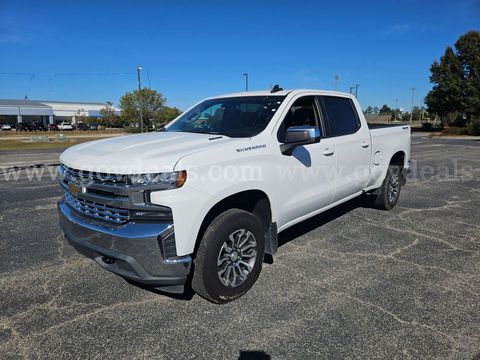
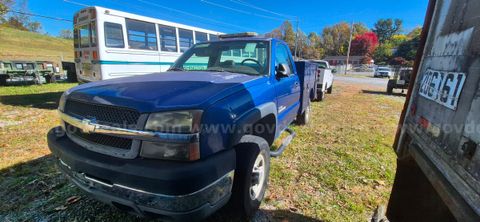
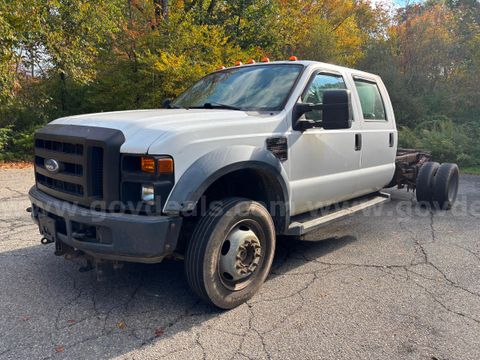
There are 1,677 trucks at government auction on BidProwl right now, in all 50 states. Pickups, dump trucks, bucket trucks and plow trucks retired by state DOTs, counties, cities and federal fleets, each one sold to the public on the agency's own auction platform.
What government trucks sold for
Final bids on government platforms over the last 12 months, counting only lots that drew a bid. These are medians, so half of each type sold for less.
| Type | Median sale | Sales measured |
|---|---|---|
| Pickup trucks | $4,000 | 6,889 |
| Dump trucks | $6,600 | 748 |
| Fire trucks and ambulances | $4,775 | 342 |
| Garbage, sweeper and vacuum trucks | $7,013 | 288 |
| Utility and service trucks | $5,600 | 267 |
| Box, stake and flatbed trucks | $4,000 | 262 |
| Bucket and boom trucks | $6,150 | 150 |
| Semi trucks and tractors | $6,000 | 121 |
| Plow trucks | $7,100 | 117 |
| Tow trucks and rollbacks | $15,000 | 42 |
How buying a government truck works
An agency sells a truck when it reaches the age or mileage on its replacement schedule. That is why a county's ten-year-old F-250 with service records sits in the same sale as a plow truck that no longer starts. The listing says what the fleet shop knows about the unit, and it is worth reading closely, because every sale is as is with no warranty and no returns.
Bidding happens on the platform each lot links to, and most auctions run one to two weeks. Many sellers allow an inspection at their yard before the close. If you win, you pay within a few days and collect the truck yourself, and the title or bill of sale comes from the agency.
Federal fleet vehicles are sold separately through GSA vehicle auctions, and graders, loaders and other road machinery from the same sellers are under heavy equipment auctions.
Government truck auctions by state
Frequently asked questions
What do trucks sell for at government auction?
Across 9,628 trucks that sold with a bid on government platforms in the last year, the median was $4,250. Pickups were the cheapest and most common at a $4,000 median, and dump trucks closed at $6,600. Those are medians, so half of each kind sold for less, and they include units sold as not running. A truck that starts, drives and has a clean title sells above the median for its type.
Who is selling these trucks?
State transportation departments, county road departments, cities, school districts, public utilities and federal fleets. They replace trucks on a schedule, by age or mileage, and the old unit goes to auction whether or not it still runs well. Most list on GovDeals, Public Surplus, Municibid or GovPlanet, and federal fleet vehicles go through GSA.
Can anyone bid on a government surplus truck?
Yes. These are public auctions, so you do not need a dealer license. You register on the platform that runs the sale, which is free on most of them, and bid there. Some sellers ask for a deposit before a first bid on a high-value lot, and all of them expect payment within a few days of the close.
What should I check before bidding?
Read the description for what the agency says about the engine, transmission and any known faults, and treat anything it does not mention as unknown. Check the hours as well as the miles on a plow, bucket or dump truck, since idling and PTO work wear an engine that the odometer does not show. Look at the frame and bed in the photos for rust if the truck worked in a salt state, and confirm the title status, because some units sell on a bill of sale or a salvage title.
How do I get the truck home?
Nearly every lot is pickup only, from the agency's yard, inside a removal window of about a week. A truck that runs can be driven away once you have insured it and have a temporary tag. One that does not run needs a tow or a lowboy, and anything over 26,000 lbs gross weight needs a driver with a CDL. Price the haul before you bid, which is why searching near you first usually beats the cheapest truck three states away.